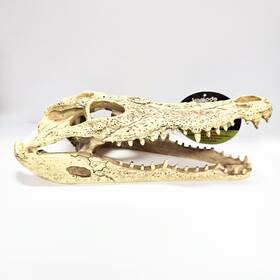
KOMODO Hideout Alligator Skull Terrarium Aquarium 784369933161 9IN
( Brand: Komodo ), ( Manufacturer Part Number: HIDEOUT ), ( Unit Quantity: 1 Count ), ( UPC: 784369933161 )
Review KOMODO Alligator Skull Resin Decor Terrarium Or Aquarium 9in Long
The **Komodo 784369933161 Alligator Skull for Terrarium or Aquarium (9 inches)** is a meticulously crafted, lifelike replica of an ancient alligator skull, designed to elevate the aesthetic and thematic appeal of any aquatic or terrarium display. This high-quality cast features a detailed and textured surface, capturing the intricate bone structure, jagged teeth, and weathered ridges that define the natural appearance of an alligator s cranium. The skull s robust, 9-inch length ensures it commands attention as a centerpiece, while its durable resin material guarantees long-term stability, making it resistant to water, humidity, and the subtle vibrations of an aquarium or terrarium environment. Perfectly balanced for display, it can be mounted on a sturdy base or suspended within a tank to create a dramatic focal point, evoking a sense of prehistoric grandeur. Whether used to enhance a themed reptile habitat, a dinosaur-themed aquarium, or a naturalistic terrarium, this skull adds an element of authenticity and intrigue, blending seamlessly with live plants, rocks, and decorative elements to craft an immersive and visually striking scene. Its realistic detailing and professional finish make it an ideal choice for hobbyists and enthusiasts seeking to bring a touch of the wild into their aquatic or terrarium ecosystems.
### Pros and Cons of buying a Komodo 784369933161 Alligator Skull for Terrarium/Aquarium (9 Inches)
#### **Pros:**1. **Natural Aesthetic Appeal** The skull adds a striking, realistic touch to terrariums or aquariums, enhancing the visual appeal for reptile enthusiasts or those aiming for a wild, naturalistic setup. It can mimic the presence of a predator, creating a more immersive environment for animals like snakes, frogs, or fish.
2. **Realistic Decor** Unlike plastic or painted replicas, a genuine skull (assuming it is ethically sourced) provides a more authentic look, which can be particularly appealing for hobbyists who prioritize realism over synthetic alternatives.
3. **Educational Value** For those interested in herpetology or wildlife, a skull can serve as a conversation piece or educational tool, helping to teach about alligator biology, behavior, or conservation.
4. **Durability** Bone is a sturdy material that can withstand the conditions of a terrarium or aquarium if properly secured, provided it is not exposed to extreme moisture or prolonged submersion (which could weaken it over time).
5. **Unique Statement Piece** Unlike mass-produced decor, a genuine skull stands out as a one-of-a-kind item, making the setup more distinctive and personalized.
---
#### **Cons:**1. **Ethical Concerns** The sourcing of the skull raises significant ethical questions. If it comes from poaching, illegal wildlife trade, or unsustainable harvesting, purchasing it could contribute to environmental harm or illegal activities. Alligators are protected in many regions, and their parts are often regulated.
2. **Legal Restrictions** Depending on your location, possessing certain animal parts (especially from endangered or protected species) may be illegal without proper permits. Buying from unverified sellers could lead to legal trouble if the skull is mislabeled or illegally obtained.
3. **Hygiene and Safety Risks** Bone can harbor bacteria or mold if not properly cleaned and sterilized before placement in a terrarium or aquarium. Over time, moisture or organic matter in the environment could cause the skull to degrade or become a breeding ground for microbes, posing health risks to animals or humans.
4. **Limited Practical Use** Unlike plants, rocks, or artificial decor, a skull does not serve a functional purpose in the ecosystem of a terrarium or aquarium. It is purely decorative, which may not justify the cost or ethical concerns for some buyers.
5. **Potential for Animal Distress** While some animals may not be affected by a skull s presence, others (especially prey species) might become stressed or agitated by the visual stimulus. This could impact their behavior, health, or well-being.
6. **Maintenance Challenges** Unlike synthetic decor, a bone skull may require occasional cleaning or polishing to maintain its appearance. Over time, it could crack, chip, or discolor, especially if exposed to humidity or UV light.
7. **High Cost for Limited Utility** Genuine animal parts, especially from large predators like alligators, can be expensive. For the sake of decoration alone, the price may not be justified compared to high-quality artificial alternatives.
---
### **Conclusion:**The Komodo 784369933161 alligator skull can be an intriguing addition to a terrarium or aquarium for those who prioritize aesthetic realism and uniqueness. However, the ethical, legal, and practical drawbacks particularly the uncertainty surrounding its sourcing, potential health risks, and lack of functional utility must be carefully considered. If you are committed to ethical consumption, it is crucial to verify the skull s origin, ensure it was legally obtained, and confirm it does not harm the animals in your setup.
### **Recommendation:** If you are determined to use a skull in your terrarium or aquarium, consider the following alternatives to mitigate ethical concerns:- **Purchase from a reputable, ethical supplier** that can provide documentation proving the skull was legally harvested (e.g., from a regulated source like a taxidermy shop with proper permits).
- **Opt for high-quality artificial replicas** that closely mimic the appearance of a genuine skull without the ethical or legal risks. Many realistic plastic or resin skulls are available at a fraction of the cost.
- **Focus on functional decor** that benefits the animals in your setup, such as live plants, driftwood, or properly sourced rocks, which contribute to a healthier environment.
Ultimately, if you value ethical responsibility above all else, an artificial skull may be the safer and more responsible choice. If you proceed with a genuine skull, ensure full transparency about its origin and weigh the potential impacts on your animals and the environment.
Details:
Can be used in aquariums or terrariums. Provides fish or small reptiles with shelter and hiding area.
specifications reptsuppl:
- brand: Komodo
- mpn: Hideout
- unit quantity: 1 Count
- upc: 784369933161
seller reptsuppl:
- # reviews: 49
- rating: 100.0%
- city: Sylmar, California
returns reptsuppl:
- policy: No Returns
general reptsuppl:
- condition: New
- Pet Supplies > Reptile Supplies
shipping reptsuppl:
- service: USPS Ground Advantage
- cost: $6.99
- carrier: USPS
- class: Standard
- type: Fixed
- transit: 5-10 Days
offer reptsuppl:
- options: Ship-to-home
- availability: In Stock
- sold: 0
- quantity: 1
- started: March 11, 2026
- best offers: True
payments reptsuppl:
- credit card: Discover
- wallet: Paypal
- other
Komodo HIDEOUT Is Similar To:
- 5023556452043 Komodo Premium Live Foods Booster For Bearded Dragons (36.2% similar) ...(September 10th, 2018)
- Komodo 784369932072 Reptile Resin Hut Turtle Corner Hideout Tank Decor Multipet Medium (41.2% similar) Adds character to any habitat. Your pet will love it, it is easy to clean with soap and warm water, so you'll too. Made from high density resin, this ornament will enrich your reptiles habitat by providing a hideout shelter that keeps them feeling safe and secure in their environment. The Komodo ...(July 22nd, 2023)
- Komodo 784369933550 Living Natural Coconut Fiber Terrarium Liner 1 E (53.3% similar) How to use: first comma; measure your tank to find desired size. Komodo coconut fiber terrarium liners are an easy, sustainable, and eco-friendly solution to your pets bedding. Item availability, all the items are in stock with us. Cut the liner to desired dimensions of your tank. Remove the product...(November 9th, 2023)
- Komodo Km93220 Reptile Terrarium Realistic Textured Human Skull Ornament Decor Easy To (38.1% similar) Hideout: keeps your pet feeling safe and secure in their environment. Rest assured that you're getting a good deal when purchasing with us. Versatile: suitable for both reptiles and amphibians. Easy to clean: made with smooth resin, this is easy to clean. Features realistic: a highly realistic and ...(October 15th, 2024)
- Komodo 784369932157 Raptor Skull Xlarge (52% similar) Easy to clean: made with smooth resin, this is easy to clean. Versatile: suitable for both reptiles and amphibians. Hideout: keeps your pet feeling safe and secure in their environment. About this item: realistic: a highly realistic and classy-looking accessory for your pet. Water safe: can be used ...(November 4th, 2024)
- Komodo 784369932126 Raptor Skull Reptile Hideout Tan 1 Each large (55.8% similar) Perfect for providing shelter and to reduce stress with this secure environment. Smooth resin and easy to clean comma; this hide will look great on land or in water. Want any replacement item. These charges are separate from your shipping charge. Size: tan, 1 each/large. Order handling processing. ...(April 21st, 2025)
- Komodo 784369933567 Living Natural Coconut Fiber Terrarium Liner 1 Each 12in X 30 In (54.2% similar) Komodo living natural coconut fiber terrarium liner 1 EACH/12IN x 30 in reusable dust free non toxic pesticide chemical absorbent fits a 20 gallon tank but can be cut to fit smaller tanks...(June 23rd, 2025)
- Komodo 48593315 Raven Skull Hideout (42.7% similar) No questions asked. Hideout: keeps your pet feeling safe and secure in their environment. Details fast and free shipping you're already purchasing the item. Rest assured that you're getting a good deal when purchasing with us. Water safe: can be used above or below water to enhance any terrarium ...(November 28th, 2025)
- Komodo 784369932294 Living Natural Realistic Decor Forest Dual Feeder (54.3% similar) Condition is new. Komodo living natural realistic decor forest dual feeder. Shipped with USPS ground advantage...(December 16th, 2025)
- Komodo 93325 Living Natural Moon Cactus Figurine Resin 7.5 In High Density Easy Clean (33.5% similar) The Komodo living natural moon cactus realistic decor is a medium-sized resin sculpture shaped like cactus, standing at 7.5 inches tall. Suitable for terrariums and aquariums...(February 16th, 2026)
- Komodo Km93214 T-rex Skull Large (37.9% similar) Product care instructions: wipe clean. Character: t-Rex. Style: modern. Brand: Komodo. Smooth resin Andes to clean, this hide will look great on land or in water. Recommended uses for product: table. Finish types: polished. #1,571 in aquarium decor thematic ornaments. Material type: high density ...(April 22nd, 2026)