UNDERWATER TREASURES Tipped Cardamine Plant Select 628742002849
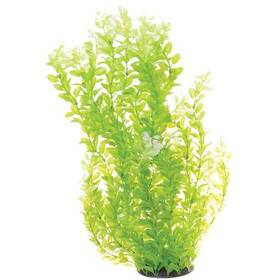
( Brand: Underwater Treasures ), ( UPC: 628742002849 )
Review UNDERWATER TREASURES White Tipped Cardamine Plant Select Size Inch
The **Underwater Treasures 628742002849 Tipped Cardamine Plant Select 24** is a meticulously crafted, high-quality aquascaping plant that brings a touch of natural elegance and dynamic movement to freshwater planted tanks. This vibrant selection of **Cardamine cordifolia**, commonly known as heartleaf watercress, is specifically designed for aquarists seeking lush, textured foliage with striking contrast. Each of the 24 carefully chosen stems features a unique blend of deep green, slightly serrated leaves that emerge from slender, trailing runners, creating an organic, cascading effect that mimics the delicate beauty of submerged aquatic flora. The plant s **tipped growth habit** where the leaves naturally curve and arch downward adds depth and dimension to planted tanks, making it an ideal choice for midground or background planting, as well as driftwood or rockwork accents. Its hardy nature and adaptability to a wide range of water parameters (including moderate to low light conditions) ensure steady growth and resilience, while its fine, feathery texture provides excellent hiding spots for small fish and shrimp, enhancing the ecological balance of the aquarium. Perfect for both beginners and experienced hobbyists, this plant selection offers a visually striking yet low-maintenance addition that transforms any tank into a thriving, immersive underwater landscape.
Buying the item listed as "Underwater Treasures 628742002849 (Tipped Cardamine Plant Select 24)" appears to refer to a rare or unique aquatic plant, likely intended for a saltwater reef aquarium. Below is a detailed breakdown of the pros and cons of purchasing this item, followed by a conclusion and recommendation.
---
### **Pros of Buying This Plant**
1. **Rarity and Uniqueness**
The tipped cardamine plant (likely *Cardamine* spp., a genus known for its delicate, grass-like foliage) is not commonly found in standard aquarium plant shops. Its rarity can make it a desirable addition for hobbyists seeking to diversify their tank s aesthetic or create a specialized setup. Unique plants can also serve as conversation pieces or focal points in a reef tank.
2. **Aesthetic Appeal**
Cardamine plants often have fine, feathery leaves that add texture and movement to an aquarium. Their growth habit can create a lush, natural look, especially when planted in groups. The tipped variety may have distinct leaf shapes or colors that enhance the visual interest of the tank.
3. **Potential for Low Light Tolerance**
Many *Cardamine* species are known to thrive in low to moderate light conditions, making them suitable for tanks where high-intensity lighting is impractical or undesirable. This can be beneficial for hobbyists with energy-efficient setups or those who prioritize energy conservation.
4. **Hardiness and Adaptability**
Some *Cardamine* plants are relatively hardy and can tolerate a range of water parameters, including moderate fluctuations in salinity, temperature, and pH. If this specific strain is well-adapted, it may be easier to maintain than more finicky plants, reducing the risk of loss in a new environment.
5. **Ecosystem Contribution**
Like other aquatic plants, cardamine can contribute to the biological balance of a reef tank by:- Providing shelter for small invertebrates and juvenile fish.
- Acting as a natural filter by absorbing nitrates and other nutrients, which can help reduce algae growth.
- Supporting the nitrogen cycle by hosting beneficial bacteria on its leaves.
6. **Collectible Value**
Rare or hard-to-find plants can appreciate in value over time, especially if they are well-documented or sought after by the aquarium community. Collectors may view this plant as a valuable addition to their inventory.
7. **Compatibility with Reef Tanks**
If this plant is suitable for saltwater environments, it can be integrated into reef tanks without the need for additional freshwater setups. This makes it a versatile choice for hobbyists who maintain both freshwater and saltwater systems.
---
### **Cons of Buying This Plant**
1. **High Cost Relative to Common Plants**
Rare or specialty plants often come with a premium price tag. The cost may be disproportionate to the plant s size or growth rate, especially if it is sold as a single specimen or a small cluster. This could strain the budget of hobbyists who are building or maintaining a large aquarium.
2. **Limited Availability of Information**
Since this plant is not widely distributed, there may be limited documentation on its specific care requirements, growth habits, or potential issues (e.g., pests, diseases). Without clear guidelines, hobbyists may struggle to provide optimal conditions, leading to failure or poor performance.
3. **Risk of Pest or Disease Introduction**
Rare plants are more likely to carry pests (e.g., snails, bryozoans, or algae) or diseases that could spread to other plants or livestock in the tank. Quarantine protocols may be necessary, adding time and effort to the setup process.
4. **Slow Growth or Limited Expansion**
Some *Cardamine* species grow slowly, which may not justify the initial investment if the plant does not fill out or spread quickly. Hobbyists expecting rapid colonization or large clusters may be disappointed with the long-term results.
5. **Specialized Care Requirements**
Even if the plant is hardy, it may still require specific conditions such as:- **Lighting:** Some *Cardamine* species prefer moderate to high light, which could increase electricity costs or require additional equipment.
- **Flow:** Excessive water movement may damage delicate leaves, while stagnant water can lead to poor health.
- **Substrate and Nutrients:** The plant may need enriched substrate or supplemental fertilizers (e.g., liquid trace elements) to thrive, adding to the maintenance effort.
Failure to meet these requirements could result in the plant s decline.
6. **Potential for Failure in New Environments**
Plants sourced from outside the hobbyist s local region may struggle to adapt to differences in water chemistry, temperature, or microbial communities. Acclimation can be critical, and even with proper care, some plants may not survive the transition.
7. **Ethical or Sustainability Concerns**
If the plant is sourced from wild populations or harvested unsustainably, purchasing it could contribute to environmental degradation. Hobbyists should research the supplier s practices to ensure ethical sourcing, such as tissue-cultured or lab-grown specimens.
8. **Limited Long-Term Data**
Since this plant is not widely available, there may be little community feedback or long-term data on its performance. Without peer-reviewed studies or extensive anecdotal evidence, hobbyists must rely on the seller s claims, which may be unverified.
---
### **Conclusion**
Buying the "Underwater Treasures 628742002849 (Tipped Cardamine Plant Select 24)" can be a rewarding experience for hobbyists who are passionate about unique, rare plants and are willing to invest time and effort into its care. The plant s aesthetic appeal, potential hardiness, and ecosystem benefits make it an attractive addition for specialized reef tanks. However, the high cost, lack of readily available information, and potential risks associated with rare plants must be carefully considered.
The decision to purchase should be based on:- **Budget:** Can you afford the initial cost and any additional expenses (e.g., lighting, fertilizers) without compromising other aspects of your tank?
- **Experience Level:** Are you comfortable with the challenges of maintaining a less common plant, or would you prefer to start with more established species?
- **Research:** Have you thoroughly researched the plant s requirements and risks, and do you have a plan to address any potential issues?
- **Supplier Reputation:** Is the seller reputable, and do they offer support or guarantees if the plant does not thrive?
---
### **Recommendation**
If you are **new to maintaining rare aquatic plants** or have a **limited budget**, it may be wiser to start with more common and well-documented plants (e.g., *Halimeda*, *Caulerpa*, or *Halophila* species for reef tanks) before investing in this item. These plants have established care profiles and are less likely to fail unexpectedly.
If you **already have experience with aquatic plants** and are confident in your ability to provide the necessary conditions, purchasing this tipped cardamine plant could be a worthwhile addition to your collection. In this case:
1. **Quarantine the plant** for at least 2 4 weeks to monitor for pests or diseases before introducing it to your main tank.
2. **Research local aquarium forums or communities** to gather additional insights from hobbyists who have experience with this specific strain.
3. **Prepare your tank environment** to match the plant s known preferences as closely as possible (e.g., lighting, flow, water parameters).
4. **Consider purchasing multiple specimens** if the plant is intended for a group planting, as this can enhance its visual impact and stability.
5. **Document your experience** to contribute to the collective knowledge of the aquarium community, which may benefit future buyers.
Ultimately, the decision should align with your goals as a hobbyist whether that means prioritizing rarity, aesthetic diversity, or the challenge of maintaining a unique specimen. If the plant fails, it may be a valuable learning experience, but if it thrives, it could become a standout feature of your aquarium.
Details:
This White Tipped Cardamine is great for use on the bottom of your aquarium. With beautiful white and green hues, it is sure to complement any decor. Safe for both freshwater and saltwater applications. Comes attached to a weighted base prevent it from floating.
Underwater Treasures White Tipped Cardamine Plant Select Size:: 24 inch. Made from a high quality plastic making it easy to clean, and will not fade easily light. Its compact and fully stocked design is great for small / or baby fish to use shelter. Other offers may also be available.
specifications reptsuppl:
- brand: Underwater Treasures
- upc: 628742002849
shipping reptsuppl:
- service: USPS Ground Advantage, USPS Priority Mail
- carrier: USPS
- type: Fixed
- cost: $0.00
- class: Standard, Expedited
- transit: 5-10 Days
seller reptsuppl:
- rating: 99.7%
- city: Taunton, Massachusetts
- # reviews: 36619
offer reptsuppl:
- quantity: 6
- started: February 15, 2026
- options: Ship-to-home
- sold: 0
- availability: In Stock
general reptsuppl:
- condition: New
- Pet Supplies > Reptile Supplies
returns reptsuppl:
- policy: Returns Accepted
- paid by: Buyer
- time: 30 Days
- method: Money back
payments reptsuppl:
- credit card: Diners-club
- other
- wallet: Apple-pay
Underwater Treasures 628742002849 Is Similar To:
- Dr08-1y-l-ean Underwater Treasures Terrarium Wood Large 628742000890 (41.3% similar) Underwater Treasures brings you this wonderful line of natural wood roots to compliment your custom reptile terrarium. Underwater Treasures wood roots are safe for use in aquatic, semi aquatic, and terrestrial habitats. Large each piece is approximately. Each piece is completely unique. Enhance the ...(October 27th, 2016)
- Underwater Treasures 628742018215 Amazon Sword Plant Large (58.6% similar) Underwater Treasures brings you this wonderful line of aquarium ornaments to complement your custom aquatic environment. Underwater Treasures ornaments are all non-toxic, and safe for use in both freshwater saltwater aquariums. Other offers may also be available. Underwater Treasures sword plant ...(December 13th, 2024)
- Underwater Treasures 628742011568 Morning Sun Fern Plant 20 Inch (64.4% similar) Underwater Treasures brings you this beautiful line of artificial plants to complement your custom aquatic environment. Safe for use in both freshwater and saltwater aquariums. Other offers may also be available. These incredibly realistic decorations feature life-like Underwater movement and vivid ...(December 14th, 2024)
- Underwater Treasures 628742308224 Dragon Marsh Lily (51.1% similar) Brings a natural atmosphere to the aquarium setting. 8.3 x 7.1 11.6. Other offers may also be available. Boasting bright, realistic colors, this non-toxic plastic plant provides ample space for small fish to hide and explore. The Underwater Treasures dragon marsh lily is the perfect addition to any ...(December 14th, 2024)
- Underwater Treasures 628742011582 Fuscia Love Lily Plant 8 Inch (63.4% similar) Other offers may also be available. Underwater Treasures brings you this beautiful line of artificial plants to complement your custom aquatic environment. Safe for use in both freshwater and saltwater aquariums. These incredibly realistic decorations feature life-like Underwater movement and vivid ...(December 20th, 2024)
- Underwater Treasures 628742011629 Flowering Arrowhead Plant 12 Inch (65.8% similar) Safe for use in both freshwater and saltwater aquariums. Underwater Treasures brings you this beautiful line of artificial plants to complement your custom aquatic environment. Underwater Treasures flowering arrowhead plant 12. These incredibly realistic decorations feature life-like Underwater ...(December 20th, 2024)
- Cnz Aub08j4d4hvb Aquarium Fish Tank 10 Inch Green Lifelike Underwater Plastic Plant Aquatic Wa (28.4% similar) Item package quantity: number of items: package information: aquarium. Recommended uses for product: aquarium decoration, fish habitat. Provides an excellent hiding place for fish. Color: green. A wonderful choice. Product dimensions: 3.4X 2.1 w 10. Anchored with a weighted base, so it will stay ...(July 22nd, 2025)
- Underwater Treasures Tb296 Log With Hideout (44.8% similar) Made using only the highest quality materials. Can be positioned horizontally or vertically. Ideal for shy species of fish that like to hide such as many Pecos, coachloads and leaches. Non-toxic and safe for freshwater saltwater aquariums. However, this will not affect the shipping times. Provides a...(July 30th, 2025)
- Underwater Treasures Sh19-503ma Roatan Reef (46.4% similar) Made using only the highest quality materials. Partly constructed using flexible materials, they even simulate the life-like movement of real corals. Open box condition notice:: items are in perfect working condition. Items may have some minor signs of use, and the original protective wrapping be ...(August 12th, 2025)
- Underwater Treasures 65236 Battleship Ruins (46.4% similar) Underwater Treasures brings you this wonderful line of aquarium ornaments to compliment your custom aquatic environment. Target audience keyword: fish. #1,832 in aquarium decor thematic ornaments. Underwater Treasures ornaments are all non-toxic, and safe for using both freshwater saltwater ...(September 9th, 2025)
- Underwater Treasures 77535 Bonsai Driftwood Aquarium Tree 8in H X 7in L (45.8% similar) Items in photos are what come with the listing. Please see photos for more details. This is a new item. Ready to use. Item available today is the, Underwater Treasures bonsai driftwood aquarium tree 8INX 7IN shipping information. Lam 11 /18/2025 C40...(November 18th, 2025)