HAULL HAULL-BEDDING-96 Reptile Carpet Pet Terrarium Floor 7445043865804 Liners Bedding Substrate
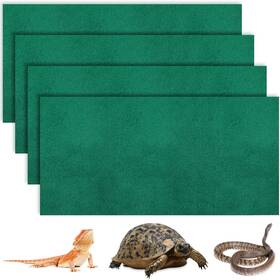
( Brand: Haull ), ( Manufacturer Part Number: HAULL-BEDDING-96 ), ( Part Type: Bedding Liner ), ( Item Dimensions Lxwxh: 23.62 X 47.24 X 0.2 Inches ), ( Color: Green ), ( Product Dimensions: 23.62 X 47.24 X 0.2 Inches; 2.34 Pounds ), ( Item Weight: 2.33 Pounds ), ( Target Audience Keyword: Reptile-and-amphibian-pets ), ( Size: 47 X 24 Inch ), ( Item Package Dimensions L X W X H: 13.74 X 13.11 X 2.56 Inches ), ( UPC: 445043865804 )
Review HAULL Pcs 47 Reptile Carpet Pet Terrarium Floor Liners Bedding Substrate
The **Haull 445043865804 24-Piece Reptile Carpet Pet Terrarium Floor Liners** represent a meticulously crafted solution for maintaining a clean, secure, and comfortable environment for reptiles, amphibians, and other small pets within their enclosed habitats. Designed with both functionality and ease of use in mind, these high-quality floor liners are crafted from a durable, non-toxic, and washable material that ensures a safe surface for your pet while simplifying the process of cleaning and maintaining their terrarium. Each of the 24 individual liners measures precisely to fit standard-sized enclosures, providing a seamless, snug fit that prevents gaps where debris, moisture, or unwanted pests could otherwise accumulate. The material is engineered to be both absorbent and breathable, allowing for proper airflow while effectively containing waste and excess moisture, which is critical for preventing bacterial growth and maintaining optimal humidity levels. Ideal for a variety of reptiles such as bearded dragons, leopard geckos, blue-tongued skinks, and other ground-dwelling species, these liners also serve as a protective barrier against sharp substrates like sand or gravel, reducing the risk of injury to your pet s delicate feet. Their lightweight yet sturdy construction makes them easy to install and replace, ensuring that your pet s living space remains hygienic and inviting without the hassle of frequent deep cleaning. Whether used as a standalone bedding solution or layered beneath other substrates like coconut fiber or paper towels, these liners offer a versatile and practical way to enhance the health and well-being of your reptile companion while keeping your terrarium setup both efficient and aesthetically pleasing.
### **Pros and Cons of Buying Reptile Carpet Pet Terrarium Floor Liners (24 x 47 inches, 4,450 sq. ft. roll)**
#### **Pros:**1. **Easy Cleaning and Maintenance** Unlike loose substrates like sand or wood chips, carpet liners provide a smooth, washable surface that prevents debris from accumulating between grains. This makes spot cleaning and full sanitization straightforward, reducing the risk of bacterial or fungal growth.
2. **Non-Toxic and Safe** High-quality reptile carpets are typically made from materials like vinyl, rubber, or silicone, which are non-toxic and free from harmful chemicals that could leach into the enclosure. This ensures a safer environment for reptiles that may ingest loose substrates.
3. **Prevents Burrowing and Escape** Unlike loose substrates, carpet liners eliminate the risk of reptiles digging deep enough to escape or hide in hard-to-reach areas. This is particularly useful for burrowing species like bearded dragons, leopard geckos, or certain snakes.
4. **Temperature Regulation** Some reptile carpets (especially those with rubber or silicone backing) help maintain consistent temperatures by reflecting heat rather than absorbing it, which can be beneficial in heated enclosures.
5. **Durability and Longevity** A well-made carpet liner can last for years with proper care, reducing the need for frequent replacements. This makes it a cost-effective option in the long run compared to disposable substrates.
6. **Reduces Stress for Reptiles** Loose substrates can sometimes cause stress due to the risk of ingestion or accidental burial. A smooth, flat surface allows reptiles to move freely without the risk of getting stuck or overwhelmed by substrate.
7. **Easy to Customize** Carpets can be cut to fit any enclosure size, and multiple layers can be used to create a smooth, seamless floor. Some owners also use them as a base layer before adding decorative elements like rocks or plants.
8. **Minimal Dust and Allergens** Unlike sand or organic substrates, carpet liners do not produce dust, which is beneficial for owners with respiratory sensitivities and for keeping the enclosure environment cleaner.
9. **Visible Waste Management** Since waste is not hidden beneath a substrate, it is easier to spot and remove promptly, helping maintain better hygiene in the enclosure.
10. **Versatility** Can be used in a variety of setups, including dry enclosures, humid setups (with proper drainage), and even as a temporary solution during substrate changes.
---
#### **Cons:**1. **Limited Natural Feel** Some reptiles prefer the texture of loose substrates for digging, basking, or sensory stimulation. A smooth carpet surface may not replicate the natural environment as effectively, potentially affecting behavior or comfort.
2. **Potential for Slippage** Certain reptiles, especially those with sticky feet (like some geckos or frogs), may struggle to grip the surface, leading to difficulty moving around. Adding non-slip mats or textured layers can help mitigate this.
3. **Heat Retention Issues** While some carpets help regulate temperature, others (especially thin or reflective materials) may cause hotspots or uneven heating. Proper thermoregulation equipment (like heat mats or ceramic heat emitters) is still necessary.
4. **Cost of Replacement** Although durable, carpets can tear or wear out over time, especially in enclosures with sharp decor or active reptiles. Replacing a damaged section may require purchasing additional material.
5. **Less Aesthetic Flexibility** Unlike substrates that can be layered with rocks, bark, or soil for a natural look, carpets offer limited decorative options. Some owners may find the appearance less visually appealing without additional elements.
6. **Potential for Moisture Buildup** If not properly ventilated, a sealed carpet surface can trap moisture, leading to mold or bacterial growth, particularly in humid enclosures. Ensuring good airflow is crucial.
7. **Not Ideal for All Species** Some reptiles, such as those that require deep burrowing (e.g., certain snakes or large lizards), may not benefit from a carpet surface. Species that naturally forage in loose substrates (like some diggers) might exhibit less natural behavior.
8. **Difficulty in Hiding or Climbing** Without loose substrate, reptiles may lack opportunities to create burrows or hide, which can affect their stress levels. Some owners must supplement with artificial hides or climbing structures.
9. **Potential for Static Electricity** Some synthetic carpets can generate static, which may attract dust or cause minor discomfort to reptiles with sensitive skin.
10. **Limited Use in Humid Enclosures** While possible, carpets are not ideal for highly humid setups without additional drainage solutions, as moisture can accumulate beneath the surface.
---
### **Conclusion:**Reptile carpet liners are an excellent choice for many terrarium setups, offering significant advantages in terms of cleanliness, safety, and ease of maintenance. They are particularly well-suited for species that do not require deep substrate or burrowing, such as bearded dragons, leopard geckos, crested geckos, and certain snakes. The non-toxic, washable nature of carpets makes them a practical long-term solution for owners who prioritize hygiene and simplicity.
However, they may not be ideal for reptiles that rely on loose substrates for natural behavior, digging, or sensory stimulation. In such cases, a hybrid approach combining carpet with a thin layer of substrate in specific areas can provide the best of both worlds.
For most beginner to intermediate reptile keepers, the pros of using carpet liners outweigh the cons, especially when paired with proper enclosure management (e.g., ventilation, temperature control, and supplemental decor). The key is to choose a high-quality, non-toxic carpet and ensure it is used appropriately for the species in question.
---
### **Recommendation:**If you are looking for a **low-maintenance, hygienic, and safe** substrate option for your reptile s enclosure, **reptile carpet liners are highly recommended**, particularly for:
- **Arboreal or semi-arboreal species** (e.g., geckos, some lizards).
- **Species that do not burrow deeply** (e.g., bearded dragons, leopard geckos).
- **Owners who prioritize easy cleaning and reduced stress for their pets.**
For **species that require digging or loose substrate** (e.g., certain snakes, burrowing lizards), consider using carpet as a **base layer** and adding a thin, safe substrate (like reptile-safe sand or organic-free soil) in designated areas.
**Final Tip:** Always ensure the carpet is **non-toxic, washable, and properly secured** to prevent peeling or sharp edges. Regularly inspect for wear and tear, and replace damaged sections promptly to maintain a safe environment.
Details:
Soft material to roll, so it feels nice on your reptiles feet, help you save more space for you: Substrate is absorbent non-abrasive material, will not irritate reptiles and be happy: Easy clean with water, hang clip. Easy to Use and Clean: the bedding substrate liner is serviceable, washable reusable; When hand cleaning, roll up mat put all garbage on it; Shake off loose pieces, rinse with cold tap water hang dry; Your pet will not scratch carpet easily its paws, warm reminder: It recommended that this product comes into direct contact a heat source. You don't need to spend time maintaining it. Packaging and Dimensions: the set have 4 pcs reptile cage mats, each size is about 47 x 24 inches/ 120 60 cm, thickness 0.2 0.5 enough quantity for daily use; When not in use convenient packing storage ; It a safe, easy choice can build fresh, healthy habitat.
specifications reptsuppl:
- brand: Haull
- mpn: Haull-bedding-96
- part type: Bedding Liner
- item dimensions lxwxh: 23.62 X 47.24 X 0.2 Inches
- color: Green
- product dimensions: 23.62 X 47.24 X 0.2 Inches; 2.34 Pounds
- item weight: 2.33 Pounds
- target audience keyword: Reptile-and-amphibian-pets
- size: 47 X 24 Inch
- item package dimensions l x w x h: 13.74 X 13.11 X 2.56 Inches
- upc: 445043865804
payments reptsuppl:
- wallet: Paypal
- other
- credit card: Visa
seller reptsuppl:
- rating: 96.8%
- city: Denver, Colorado
- # reviews: 59
shipping reptsuppl:
- type: Fixed
- transit: 2-6 Days
- class: Expedited
- cost: $0.00
- service: Expedited
general reptsuppl:
- Pet Supplies > Reptile Supplies
- condition: New
returns reptsuppl:
- method: Money back
- paid by: Seller
- time: 30 Days
- policy: Returns Accepted
offer reptsuppl:
- availability: In Stock
- sold: 0
- options: Ship-to-home
- started: April 28, 2026
- quantity: 1
Haull 445043865804 Is Similar To:
- Haull 445002550529 4 Pcs 24 X 47 Reptile Carpet Floor Liners Bedding Substrate Mat For Terrarium (75.5% similar) Easy to use and clean: the bedding substrate liner is serviceable, washable reusable; when hand cleaning, roll up mat put all garbage on it; shake off loose pieces, rinse with cold tap water hang dry; your pet will not scratch carpet easily its paws, warm reminder: it recommended that this product ...(April 23rd, 2025)
- Haull 313051262281 4 Reptile Tank Liners 47x24 Inch Washable Terrarium Mats For Lizards And Snakes (49.5% similar) Packaging and dimensions: the set have 4 pcs reptile cage mats, each size is about 47 x 24 inches/ 120 60 cm, thickness 0.2 0.5 enough quantity for daily use; when not in use convenient packing storage ; it a safe, easy choice can build fresh, healthy habitat. Easy to use and clean: the bedding ...(December 27th, 2025)